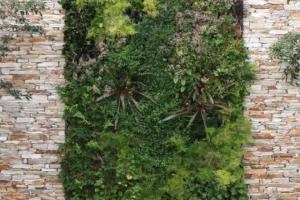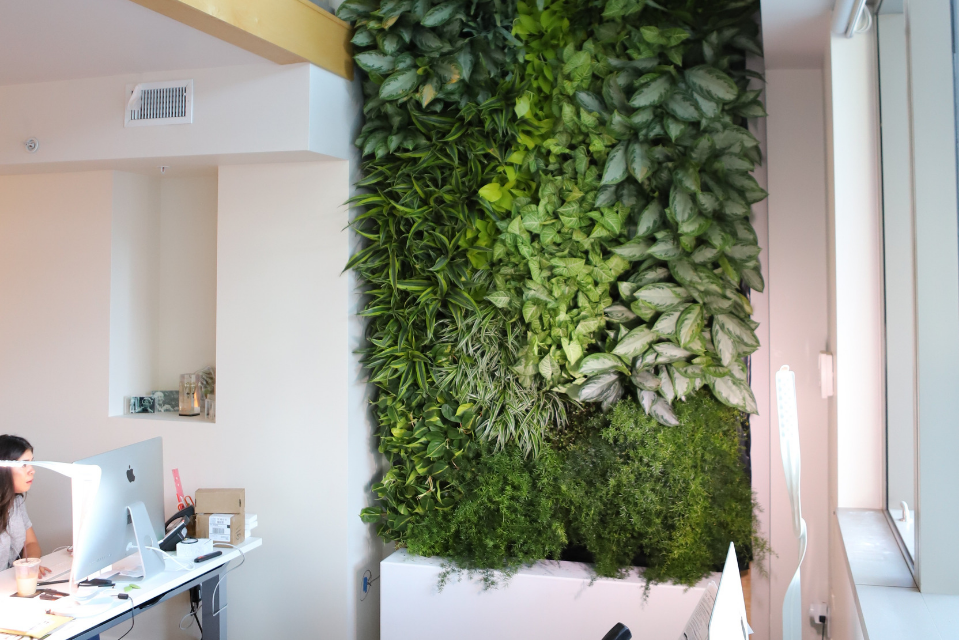
Although both green walls and living walls bring many benefits, including enhanced air quality, natural cooling and energy savings, and improved aesthetics and psychological wellbeing, they differ in their design approach and technical complexity. Therefore, understanding these differences will help determine the best approach for a given project.
This article examines the differences between green walls and living walls in terms of how they are designed and constructed. Additionally, it examines some of the benefits and limitations of using each type of system, along with some of the specific challenges associated with designing and building them in Malaysia’s tropical climate.
Understanding the Basics: Green Walls and Living Walls
What is a Green Wall?
A green wall (also referred to as an eco-wall or a vegetated wall) is a very general term that describes any vertical structure of plants. The term encompasses a wide variety of designs and products – from simple wall-mounted planters to complex modular systems. Depending on the design and budget of the project, a green wall can be hydroponic, semi-hydroponic or have a soil-based growing medium.
What is a Living Wall?
A living wall is specifically a vertically integrated plant system consisting of a structural support, growing medium and irrigation system incorporated into the wall itself. Also commonly referred to as vertical gardens, living walls are usually engineered to deliver continuous irrigation and nutrients to the plants. Generally speaking, living walls are much more technologically advanced than simple green walls.
Green Wall vs Living Wall: Main Differentials
| Feature | Green Wall | Living Wall |
|---|---|---|
| Planting Method | Variety of methods; may include traditional pots or lightweight panels | Integrated vertical planting with growing medium |
| Irrigation | Can be manual or simple systems | Built‑in automatic irrigation and fertilisation |
| Maintenance Level | Lower to moderate | Moderate to high |
| Cost | More affordable generally | Higher initial investment |
| Appearance | Flexible aesthetic | Highly uniform and lush |
| Structural Requirements | Less demanding | Requires planning for weight, water and drainage |
Benefits of Vertical Green Systems in Malaysia
Regardless of whether you choose a green wall or a living wall, incorporating vertical greenery will provide numerous benefits — and especially relevant in Malaysia’s tropical environment:
1. Enhanced Air Quality
Vertical greenery will capture pollutants and release oxygen — enhancing both indoor and outdoor air quality in urban areas with heavy traffic and development.
2. Natural Cooling and Energy Savings
Plants naturally cool surfaces through shading and evaporation — a key advantage in Malaysia’s hot and humid climate. By reducing room temperatures and lessening our reliance on air conditioning, vertical greenery can save money and enhance our comfort.
3. Visual and Psychological Advantages
Colourful and lush walls create visual interest and contribute to our mental wellbeing. Studies show that greenery reduces stress levels and improves focus — a clear benefit for offices, hotels, and residential areas.
4. Maximising Limited Spaces
Vertical green installations maximise small and limited spaces — a vital advantage in urban environments where space is at a premium.
Determining Which Type of System Is Best for Your Space
Your decision to install either a green wall or a living wall will depend on several factors:
1. Purpose and Location
- Residential balcony or small office: A green wall with modular panels or pots may meet your needs, providing flexibility and a lower cost.
- Commercial or corporate façade: A living wall provides a clear environmental message and supports the company brand image.
2. Budget Considerations
The cost to purchase and install a green wall is generally lower than installing a living wall. Green walls can be installed with a simpler design, requiring less technical input.
3. Maintenance Capability
If you have limited personnel to monitor the system, a green wall with a simple design and fewer moving parts may be the most feasible option.
4. Climate Suitability
Malaysia’s tropical climate is suitable for a large number of tropical and subtropical plants. However, it presents its own set of challenges including heavy rainfall and high humidity.
- Green walls with a soil-based growing medium can deal with rainwater better, however, if the drainage system of the wall is poorly designed, the walls could become saturated and develop waterlogging issues.
- Living walls with hydroponic systems must be protected from excessive water and are more vulnerable to problems caused by heavy rainfall, particularly during the monsoon season.
Design and Plant Selection Tips for Malaysian Conditions
Recommended Plant Types
Both types of systems will benefit from the use of tropical and subtropical plants that thrive in high humidity and temperature:
- Ferns (Bird’s Nest Fern, Boston Fern)
- Vines & Climbers (Philodendron, Pothos)
- Tropical Foliage (Calathea, Monstera)
- Flower Producing Varieties (Bromeliads, Orchids)
Using native plants or those that are adapted to the local climate will reduce maintenance and increase durability.
Light and Orientation
East or North-facing walls may receive softer light and are therefore best suited to shade-tolerant species.
South or West-facing walls require sun-tolerant species and should be carefully planned for irrigation.
Irrigation and Water Drainage
Quality irrigation systems should be invested in for living walls to ensure the plants remain moist and free from waterlogging issues. For green walls with pots and soil, drip trays and channels should be placed under the wall to prevent water running off and damaging the exterior façade.
Ongoing Maintenance: Realistic Expectations
A successful vertical green installation requires ongoing maintenance to keep the system healthy and functioning properly:
- Regular watering and fertilization
- Pest and disease control
- Pruning and replacing plants
- Check and maintain irrigation and drainage systems
For commercial clients, it is recommended that a partnership is established with professional landscaping companies who have experience working in Malaysian environments.
Conclusion: Choosing the Right Option
Both green walls and living walls can provide significant benefits in Malaysia — from sustainability and cooling to aesthetics and health. Your final decision will depend on your budget, maintenance capabilities, design preferences and functional objectives.
Use a green wall for a cost-effective, versatile and low-maintenance way to add vertical greenery to your space.
Use a living wall to provide a high impact, technically integrated and lush vertical garden that clearly communicates your commitment to the environment through your design.
By selecting the correct system and selecting the appropriate plant material for your project, you will be able to turn any space into a beautiful, sustainable vertical ecosystem that will flourish in Malaysia’s tropical climate.