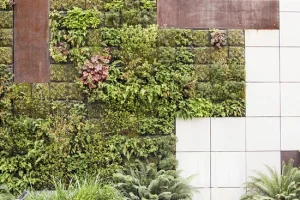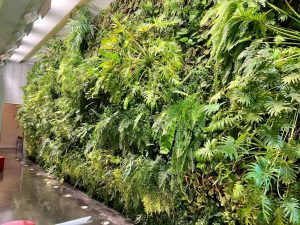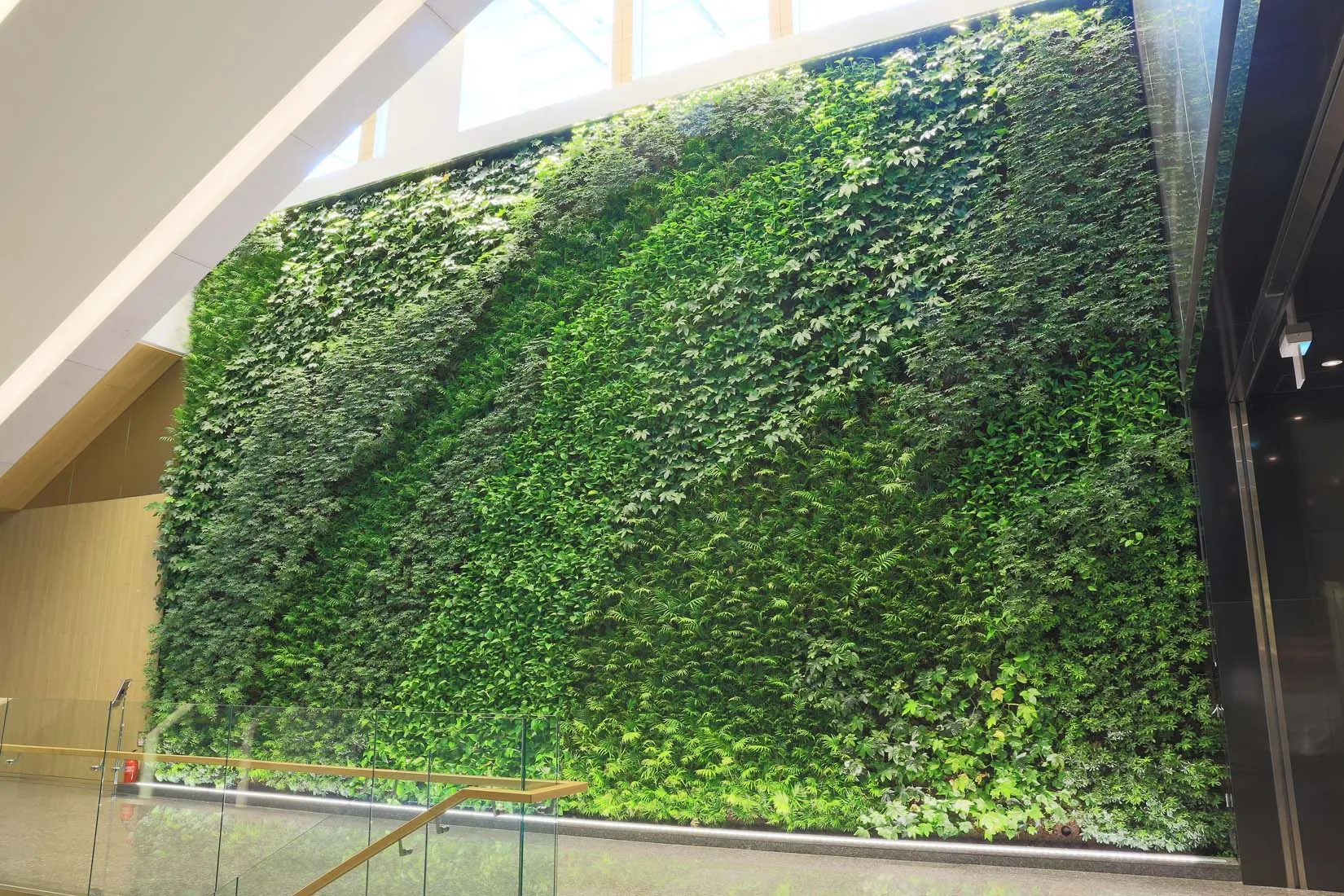
ertical green wall systems, also known as living walls or green facades, are rapidly becoming a popular solution for enhancing both indoor and outdoor environments. As urbanisation continues to grow, these innovative systems offer a practical and visually appealing way to introduce greenery into limited spaces. From commercial buildings to residential homes, vertical green wall systems are revolutionising modern architecture while supporting sustainability goals.
What Are Vertical Green Wall Systems?
Vertical green wall systems are structures that allow plants to grow vertically using specially designed panels, frames, or containers. These systems can be installed on both interior and exterior walls, transforming plain surfaces into lush, living ecosystems. Unlike traditional gardens, vertical green walls maximise space efficiency, making them ideal for urban areas where horizontal space is limited.
There are generally two main types of vertical green wall systems:
- Soil-based systems – Plants grow in a soil medium supported by containers or panels.
- Hydroponic systems – Plants grow without soil, receiving nutrients through a water-based solution.
Each system has its own advantages depending on the project requirements, maintenance capabilities, and environmental conditions.
Benefits of Vertical Green Wall Systems
1. Improved Air Quality
One of the most significant benefits of vertical green wall systems is their ability to improve air quality. Plants naturally filter pollutants, absorb carbon dioxide, and release oxygen, creating a healthier environment. Indoor green walls, in particular, help reduce airborne toxins and enhance overall air circulation.
2. Enhanced Aesthetic Appeal
Vertical green walls instantly elevate the visual appeal of any space. Whether installed in an office lobby, retail outlet, or residential living room, these systems create a striking focal point. The natural textures and colours of plants add warmth and vibrancy, making spaces more inviting and relaxing.
3. Space Optimisation
In densely populated urban areas, space is often a premium. Vertical green wall systems make it possible to incorporate greenery without occupying valuable floor space. This makes them ideal for apartments, office buildings, and commercial developments where traditional landscaping is not feasible.
4. Thermal Insulation
Green walls act as natural insulators, helping to regulate indoor temperatures. They reduce heat absorption from external walls, keeping interiors cooler during hot weather. This can significantly lower energy consumption for air conditioning, contributing to cost savings and improved energy efficiency.
5. Noise Reduction
Plants and growing mediums in vertical green wall systems help absorb sound, reducing noise pollution. This is particularly beneficial in busy urban environments, where green walls can create quieter, more comfortable spaces.
6. Increased Property Value
Properties featuring vertical green wall systems often stand out in the market. Their modern, eco-friendly appeal can increase property value and attract environmentally conscious buyers or tenants.
Applications of Vertical Green Wall Systems
Vertical green wall systems are highly versatile and can be applied across various settings:
Commercial Spaces
Businesses use green walls to create a strong first impression and enhance brand image. Offices, hotels, shopping malls, and restaurants benefit from improved ambience and customer experience.
Residential Properties
Homeowners are increasingly incorporating vertical green walls into balconies, living rooms, and outdoor patios. These systems provide a natural retreat within urban homes, promoting relaxation and wellbeing.
Public Infrastructure
Green walls are also used in public spaces such as airports, hospitals, and transport hubs. They contribute to environmental sustainability while improving the aesthetic quality of shared spaces.
Key Components of a Vertical Green Wall System
A well-designed vertical green wall system typically includes:
- Support structure – Frames or panels that hold the system in place.
- Growing medium – Soil or alternative substrates that support plant growth.
- Irrigation system – Automated watering systems to ensure plants receive adequate moisture.
- Drainage system – Prevents water accumulation and protects the wall structure.
- Plant selection – Carefully chosen species suited to the environment and lighting conditions.
Each component plays a crucial role in ensuring the long-term success and durability of the system.
Choosing the Right Plants
Selecting the right plants is essential for a thriving vertical green wall. Factors to consider include light exposure, humidity, and maintenance requirements. Common plant choices include:
- Ferns for shaded environments
- Succulents for low-maintenance installations
- Tropical plants for indoor spaces
- Flowering plants for added visual interest
Using a mix of plant species can create a dynamic and visually engaging design while improving biodiversity.
Maintenance Considerations
Although vertical green wall systems offer numerous benefits, proper maintenance is key to ensuring their longevity. Regular tasks include:
- Monitoring irrigation systems
- Pruning and replacing plants
- Checking for pests and diseases
- Ensuring proper drainage
Automated systems can significantly reduce maintenance efforts, making green walls more manageable for both residential and commercial users.
Sustainability and Environmental Impact
Vertical green wall systems play an important role in promoting sustainability. They help reduce the urban heat island effect, improve air quality, and support biodiversity by providing habitats for insects and birds. Additionally, they contribute to green building certifications and environmentally responsible design practices.
Future Trends in Vertical Green Wall Systems
As technology advances, vertical green wall systems are becoming more efficient and accessible. Innovations such as smart irrigation systems, modular designs, and lightweight materials are making installation and maintenance easier than ever. The integration of green walls into smart buildings is also expected to grow, further enhancing their functionality and appeal.
Conclusion
Vertical green wall systems are more than just a design trend—they are a practical solution for sustainable urban living. By combining aesthetics with environmental benefits, these systems offer a powerful way to transform spaces while addressing modern challenges such as limited space, air pollution, and energy efficiency. Whether for commercial or residential use, investing in a vertical green wall system is a step towards a greener, healthier future.