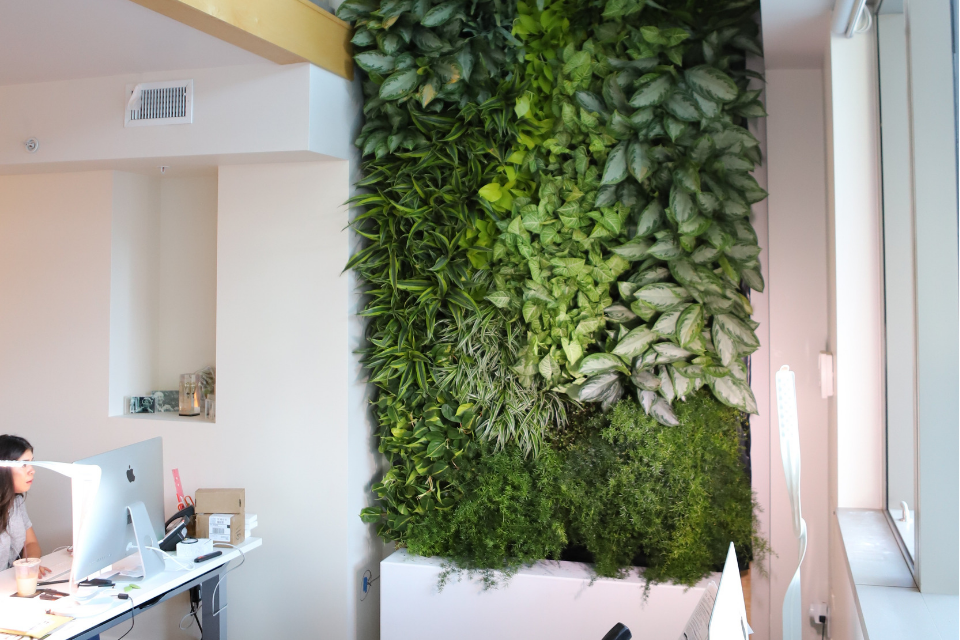
From luxury hotels and corporate offices in KL to modern residential condos in Penang and JB, green walls are turning urban spaces into healthier, greener environments. And while many think it’s purely cosmetic, green walls also offer some serious benefits for indoor air quality and human well-being — so much so, that they’re becoming a major part of contemporary Malaysian architecture and interior design.
What Is a Living Wall?
A living wall is essentially a wall that is partially or entirely covered with vegetation, generally integrated with a growing medium, irrigation and drainage systems. A living wall is fundamentally different than your average potted plants because instead of using horizontal space to grow your plants, you’re using vertical space. So whether you live in a compact home with a small backyard or a spacious condo with a huge balcony, a living wall provides an ideal way to add a lot of greenery to your home in a very limited amount of space.
Types of Green Walls in Malaysia
There are many types of living walls that can be created depending upon the size of the space and how much money you want to spend. There are compact living wall modules that can fit into almost any sized room and larger living wall installations that can be installed in commercial spaces. With Malaysia’s humid tropical climate, there are a wide variety of local and imported plant species that thrive in these vertical ecosystems.
Why Living Walls Matter in Malaysia
Urban centers in Malaysia continue to grow rapidly and as they do, new environmental problems arise. For example, cities such as KL, PJ and JB suffer from pollution, little green space and heat island effects. One simple and aesthetically pleasing answer to many of these environmental problems is the living wall.
Improving Indoor Air Quality
Green walls have one of the most important environmental advantages over all other forms of decorative greenery – they can dramatically improve the indoor air quality of a building. Through photosynthesis, plants remove CO2 from the air and replace it with O2. However, not all plants are equal when it comes to removing pollutants from the air. Some plants can remove toxic substances that people breathe every day from products used in furniture, paint, cars, etc. While individual plants may not be effective at removing toxic substances from the air, a living wall composed of several plants will greatly increase the total surface area available for air purification. The combined effect of this process creates a cleaner, healthier indoor environment
Regulating Humidity and Temperature
Another benefit of living walls is their ability to regulate humidity levels in a building. High humidity in tropical climates like Malaysia can cause a number of discomforts for occupants and create an environment conducive to mold growth. Green walls can act as natural humidifiers by releasing moisture back into the air through a process called transpiration. Additionally, the canopy of a living wall can shade the walls of a building and thereby reduce the need to cool a building with air conditioning.
Enhancing Well-Being and Productivity
The benefits of living walls go far beyond the environmental benefits described above. They also enhance human well-being, mental health and productivity.
Stress Reduction
Exposure to natural elements in general can significantly reduce stress levels. Even if it is only a view of some greenery, a living wall can stimulate the nervous system and lower heart rates and blood pressures – providing a sense of calm and relaxation. Employees working in offices that have living walls report lower levels of stress and greater job satisfaction.
Boosting Focus and Cognitive Performance
Research has demonstrated that being around indoor plants can improve cognitive function and focus. Providing employees with a pleasant and stimulating work environment, such as that provided by a living wall, can reduce mental fatigue and increase productivity.
Aesthetic and Psychological Benefits
A living wall is a highly visible aspect of a building and can be a dramatic transformation to what might otherwise be a sterile interior space. The aesthetic qualities of a living wall can positively influence occupant’s perception of a space, resulting in a desire to remain in the space for longer periods of time and increasing the connection of occupants to their environment. This has particular relevance in the design of healthcare facilities, schools and hospitality venues where comfort and experience are critical factors.
Choosing the Right Plants for Malaysian Living Walls
The selection of plants for a living wall is very important to ensure that the plants will survive and perform well in Malaysia’s tropical climate. Plants commonly selected for living walls in Malaysia include:
- Ferns (Nephrolepis spp.) – Great for humid, low-light areas
- Spider plants (Chlorophytum comosum) – Good air purifier, easy for beginners to care for
- Peace lilies (Spathiphyllum spp.) – Can eliminate VOCs
- Philodendrons and Pothos – Low-maintenance and fast-growing
- Orchids and Bromeliads – Add color without adding too much soil
To find the best mix of plants for your specific living wall, contact local plant nurseries and vertical gardening specialists in Malaysia.
Installation and Maintenance Considerations
The installation of a living wall in Malaysia usually involves:
1. Site evaluation to assess the amount of light, airflow and load-bearing capacity available
2. Selecting modular panels or designing a customized framework for your living wall
3. Developing a plan for irrigation and drainage to avoid potential water damage
4. Creating a planting/fertilizing plan based on the type(s) of plants chosen for your living wall
5. Ongoing maintenance of your living wall, including trimming, pest management, and inspection/testing of the irrigation and drainage systems
While installing a living wall in Malaysia may cost more than decorating with non-living wall materials, the long term benefits of living walls, including saving energy and improving air quality and overall well-being, will likely pay for themselves over time.
Conclusion: A Greener Future for Malaysian Spaces
Living walls are the perfect blend of nature and architecture. They provide a healthy, enjoyable and vibrant environment for individuals. Given Malaysia’s tropical climate supports a wide variety of plant life, vertical greenery is both a practical and aesthetic solution to air quality problems and urban stressors.
Whether in your home, office, mall, hospital, school, etc., living walls show us that sustainability can also mean beauty and betterment of the human condition. By embracing vertical greenery, we are creating greener, smarter and more human-centered indoor environments throughout Malaysia.