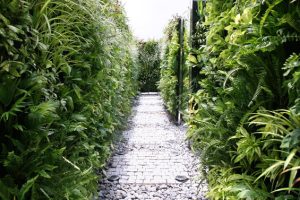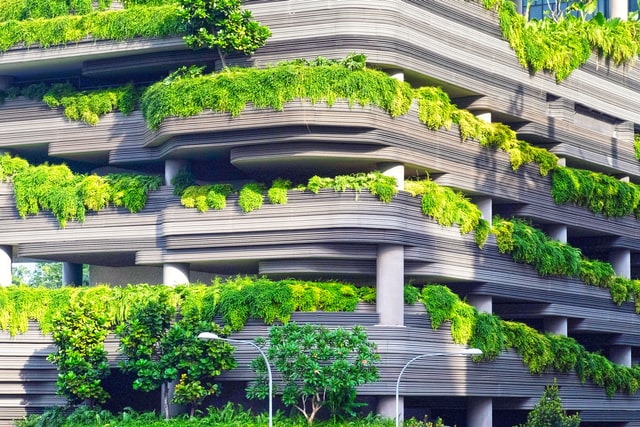
In the last decade, Malaysia’s urban landscape has undergone a dramatic transformation as cities are introducing new architectural designs that combine innovation with bringing nature back into the urban setting. One example of this trend is the emergence of vertical landscapes (also called green wall systems) as a major component of sustainable building design. Not only do vertical landscapes add to the aesthetics of buildings, but they also produce many environmental, social, and economic benefits. As a result of rapid urbanization, there is a pressing need for sustainable solutions in Malaysia; therefore, vertical landscapes are changing the way we experience the built environment.
What Are Vertical Landscapes?
Vertically landscaped walls, or green walls, are systems that enable the cultivation of vegetation on vertical surfaces such as building facades, interior walls, or free-standing structures. Unlike traditional gardening techniques that utilize horizontal ground area, vertically landscaped walls convert walls into living ecosystems using the vertical plane. Vertically landscaped walls can be as simple as modular panel systems planted with greenery or sophisticated hydroponic systems that include automated irrigation and nutrition distribution.
As a result of the need to maximize green space in urban areas due to limited land availability, the concept of vertically landscaped walls provides a creative solution that produces multiple ecological advantages to cities and buildings alike.
Benefits of Green Walls in Malaysia
1. Environmental Advantages of Green Walls
One of the largest advantages of vertically landscaped walls is their positive impacts on the environment. Some examples of how vertically landscaped walls positively affect the environment include:
- Air Quality Improvement: Plants are able to naturally clean pollutants and particulate matter from the air. Therefore, in densely populated urban areas such as Kuala Lumpur and Petaling Jaya, vertically landscaped walls can assist in cleaning the air by consuming carbon dioxide and producing oxygen.
- Urban Heat Island Reduction: The surface of concrete and asphalt absorbs and retains heat, resulting in elevated ambient temperatures within urban environments. Green walls reduce this phenomenon by providing shading and cooling through transpiration thereby reducing the ambient temperature and creating a cooler, more comfortable environment for people to live and work.
- Biodiversity Enhancement: Vertically landscaped walls provide habitat for insects, birds, and other small wildlife. Since natural habitats are typically scarce in urban areas, vertically landscaped walls provide isolated habitats that contribute to local biodiversity.
2. Economic and Energy Efficiency Benefits
Vertically landscaped walls can provide economic returns as well:
- Reduced Energy Consumption: Vertically landscaped walls act as insulation for the building. Consequently, energy consumption for cooling is lowered, and overall utility costs are decreased as a result.
- Increased Property Value: Properties that are designed with sustainable principles are increasingly attractive to consumers. Therefore, green walls increase the aesthetic value of a property and indicate the owner/developer’s commitment to sustainability, increasing the property value as a result.
- Extended Building Life: Shielding exterior walls from intense sunlight and excessive rain (common characteristics of Malaysia’s tropical climate) will extend the lifespan of building materials and decrease future maintenance costs associated with repair and replacement.
3. Social and Well-being Benefits
The benefits of vertically landscaped walls are not limited to the physical properties but also extend to the well-being of those who occupy the property and the broader community:
- Improved Aesthetic Appeal and Human Experience: Exposure to natural greenery has a calming effect and improves the aesthetic appeal of an area. Incorporating green walls into urban architecture increases the desirability of public spaces and private residences.
- Mental Health Improvements: Research indicates that individuals exposed to greenery exhibit lower levels of stress, enhanced moods, and improved productivity. Vertically landscaped walls provide an opportunity to introduce greenery into people’s lives even in areas with limited ground green space.
Application of Vertical Landscapes in Malaysia
Due to the versatility of green wall systems, they can be applied across a wide variety of industries:
- Commercial Development: Commercial developments such as office buildings, shopping centers, and hotels use vertically landscaped walls to develop unique and visually appealing façades that communicate the organization’s commitment to sustainability.
- Residential Development: Residential developments such as apartments and condominiums use vertically landscaped walls in lobbies, balconies, and common areas to improve the quality of life for residents.
- Public Infrastructure: Public infrastructure projects such as schools, hospitals, and transit stations use vertically landscaped walls to improve environmental quality and create healthy public spaces.
- Upgrading Existing Structures: Perhaps one of the most exciting opportunities provided by vertically landscaped walls is retrofitting existing structures, thereby enabling older buildings to incorporate modern sustainable building elements.
Vertically Landscaped Wall Systems
There are many types of vertically landscaped wall systems available, each suitable for specific project requirements:
- Modular Panel Systems: Modular panel systems are pre-planted units that may be installed on a wall similar to tile. They are flexible and suitable for both small and large installations.
- Hydroponic Systems: Hydroponic systems utilize water-based delivery of nutrients rather than soil, significantly decreasing total weight and allowing for greater precision regarding plant health.
- Automated Systems: Many automated systems are capable of regulating water and nutrients, thereby optimizing plant growth while minimizing waste and resource utilization.
Malaysia’s climate (high humidity and heavy rainfall), makes the use of certain systems particularly beneficial. The selection of the correct plant species and system configuration is critical to ensure the longevity and success of vertically landscaped walls.
Challenges and Considerations
Although green walls offer a number of benefits, there are also several challenges:
- Initial Capital Costs: The initial capital outlay to install a vertically landscaped wall can be substantial. Nevertheless, many stakeholders recognize this expense as a long-term investment due to the operational cost savings and enhanced value of the property.
- Ongoing Maintenance: To maintain the health of the plants, regular maintenance activities such as watering, pruning, and monitoring plant health must be performed. Working with skilled landscaping professionals can assist in the successful execution of long-term maintenance plans.
Conclusion
Vertically landscaped walls are more than aesthetically pleasing features — they represent a powerful tool in developing cities that are greener, healthier and more resilient. For Malaysia — a country with rapidly expanding urbanized areas — green wall systems provide a sustainable solution that aligns economic, environmental, and social objectives. With careful planning, the right technology and continued maintenance, vertically landscaped walls can transform ordinary buildings into thriving ecosystems that provide mutual benefits to people and the planet.