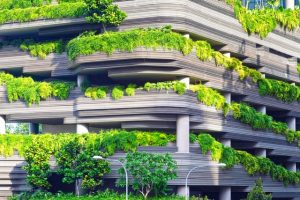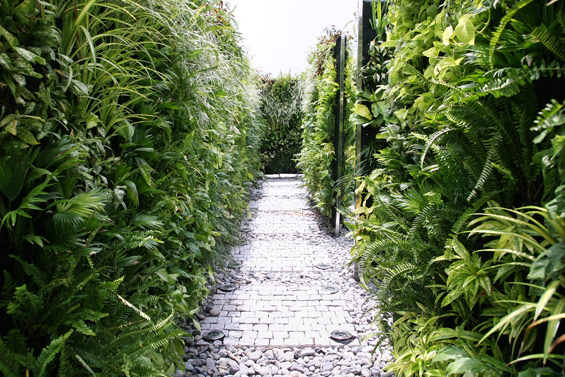
The need for creative ways to utilize available space is becoming more evident in the rapidly developing cities of Malaysia. As developers, property owners, and residents seek innovative ways to maximize the value of their properties, one strategy that has recently grown in popularity is the use of vertical landscape design. In addition to enhancing the aesthetic appeal of a property, vertical landscaping also adds to the total value of a property.
The Growth of Vertical Landscaping in Malaysia
Vertical landscaping (also known as green walls, or living walls) utilizes vegetation to cover vertical surfaces (such as building facades, interior walls, or free standing structures). Although the practice has been implemented worldwide (notably in cities such as Singapore and Tokyo), vertical landscaping is gaining popularity in Malaysia’s urban centers (Kuala Lumpur, Penang, and Johor Bahru).
Sustainable architecture practices, along with a growing realization of the positive effects of greenery in urban environments, have made vertical landscaping a standard feature of both residential and commercial developments. It is an excellent example of how to combine functionality with aesthetics.
Aesthetic Advantages of Vertical Landscape Design
One of the first major advantages of vertical landscape design is the aesthetic appeal of a property. A green wall creates a visual focal point that transforms the look of a space, whether installed as an exterior feature of a commercial building or an interior decorative feature of a residential property, vertical gardens add a natural beauty and serenity to a space.
Vertical gardens allow for the flexibility of using various plant species, textures, and colors to create highly customizable designs that complement architectural elements. Commercial properties (offices, hotels, retail outlets) with eye-catching green walls can leave a lasting impression on visitors; whereas residential properties can offer a tranquil atmosphere and a connection to nature.
Vertical gardens can also soften harsh architectural lines, eliminate the monotonous appearance of concrete walls, and create a visually dynamic environment. For high-rise apartment buildings and/or narrow urban plots, where horizontal landscaping may be limited, vertical greenery provides an elegant solution to infuse vibrancy and life into the surrounding area.
Property Value Advantages
Beyond aesthetics, vertical landscaping can contribute to a property’s monetary value. Buyers and renters are increasingly interested in purchasing/renting properties that include green features. A well-designed vertical garden can increase the perceived value of a residential property by providing unique outdoor features in limited spaces. For high-end condominiums/gated communities, vertical landscaping can differentiate the property from other properties and make it more attractive/marketable.
For commercial real estate, the presence of vertical gardens signals the business’ commitment to the environment and attention to detail. Businesses are attracted to spaces that provide healthier and more aesthetically pleasing work environments for employees and customers. Studies have demonstrated that properties featuring green design elements enjoy higher occupancy rates and can command premium rental prices.
Functional and Environmental Advantages
Vertical landscaping provides more than just aesthetic and monetary advantages; it also provides functional advantages that indirectly contribute to a property’s value. Green walls can improve indoor air quality by filtering pollutants, absorb ambient noise through sound absorption, and provide natural insulation that aids in regulating building temperatures.
In Malaysia’s tropical climate, vertical gardens can also assist in reducing heat absorption on building surfaces, thus lowering the energy costs associated with cooling via air conditioning. Additionally, green walls can assist in managing stormwater by absorbing rainfall, thereby reducing the amount of runoff and decreasing the burden on urban drainage systems.
The functional advantages of vertical landscaping, combined with the aesthetic and monetary advantages, make properties more sustainable and desirable to environmentally conscious buyers and investors, further increasing the long-term value of the property.
Design Factors to Maximize the Benefits of Vertical Landscaping in Malaysian Properties
To fully realize the potential of vertical landscaping, there are some design considerations that should be taken into consideration when implementing vertical landscaping. Selecting the appropriate plants is essential, as Malaysia’s tropical climate supports a variety of plant species that thrive in humid environments (such as ferns, bromeliads, and flowering vines). For commercial applications, low maintenance plant species are ideal; whereas for residential applications, decorative plant species can be used to achieve a specific visual effect.
Proper irrigation systems and drainage are necessary to maintain the health and longevity of the plants. An automated drip irrigation system is a commonly utilized method that provides consistent watering while minimizing waste.
Structural assessments must be performed to determine if the wall(s) can support the weight of the plants and growing medium. Collaborating with experienced vertical landscapers in Malaysia will ensure that the installation is aesthetically pleasing and functionally effective, maximizing the long-term benefits of the property.
Conclusion
Vertical landscape design is revolutionizing how properties are developed and valued in Malaysia. By converting unadorned walls into thriving ecosystems, green walls enhance the aesthetic appeal of a property, increase the monetary value of a property, and promote environmental sustainability. For homeowners and commercial property developers, investing in vertical landscaping presents a unique opportunity to differentiate themselves within a competitive marketplace while creating healthy and enjoyable spaces.
As urban areas continue to densify, the need for creative solutions, such as vertical gardens, will continue to grow. By embracing vertical landscaping, property owners not only enhance their properties but also derive tangible economic and environmental returns on their investments, illustrating that greenery is indeed an investment that yields long-term value.