Vertical garden wall panels are rapidly becoming a popular solution for homeowners, businesses, and designers seeking to incorporate greenery into modern spaces. As urban environments become more compact, the demand for space-saving landscaping ideas has increased significantly. Vertical garden systems provide an innovative way to introduce nature without requiring large areas, making them ideal for both indoor and outdoor applications.
What Are Vertical Garden Wall Panels?
Vertical garden wall panels are modular systems designed to support the growth of plants on vertical surfaces such as walls, fences, or partitions. These panels typically consist of lightweight frames, planting pockets, or containers that allow plants to grow upward rather than outward. They can be installed on concrete walls, metal structures, or even wooden surfaces, offering flexibility in design and application.
Available in various materials such as plastic, metal, and recycled composites, vertical garden wall panels are engineered to support irrigation systems and proper drainage. This ensures that plants receive sufficient water while preventing issues like waterlogging or structural damage.
Benefits of Vertical Garden Wall Panels
1. Space-Saving Greenery
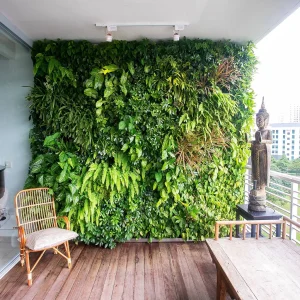
One of the main advantages of vertical garden wall panels is their ability to maximise limited space. In urban areas where land is scarce, vertical gardens allow property owners to enjoy lush greenery without sacrificing valuable floor space. Whether installed in small balconies, office interiors, or commercial facades, these systems offer a practical solution for modern living.
2. Improved Air Quality
Plants naturally filter pollutants and release oxygen, contributing to healthier indoor and outdoor environments. Vertical garden wall panels can help reduce airborne toxins, dust, and carbon dioxide levels, making them especially beneficial in offices, shopping malls, and residential buildings.
3. Enhanced Aesthetic Appeal
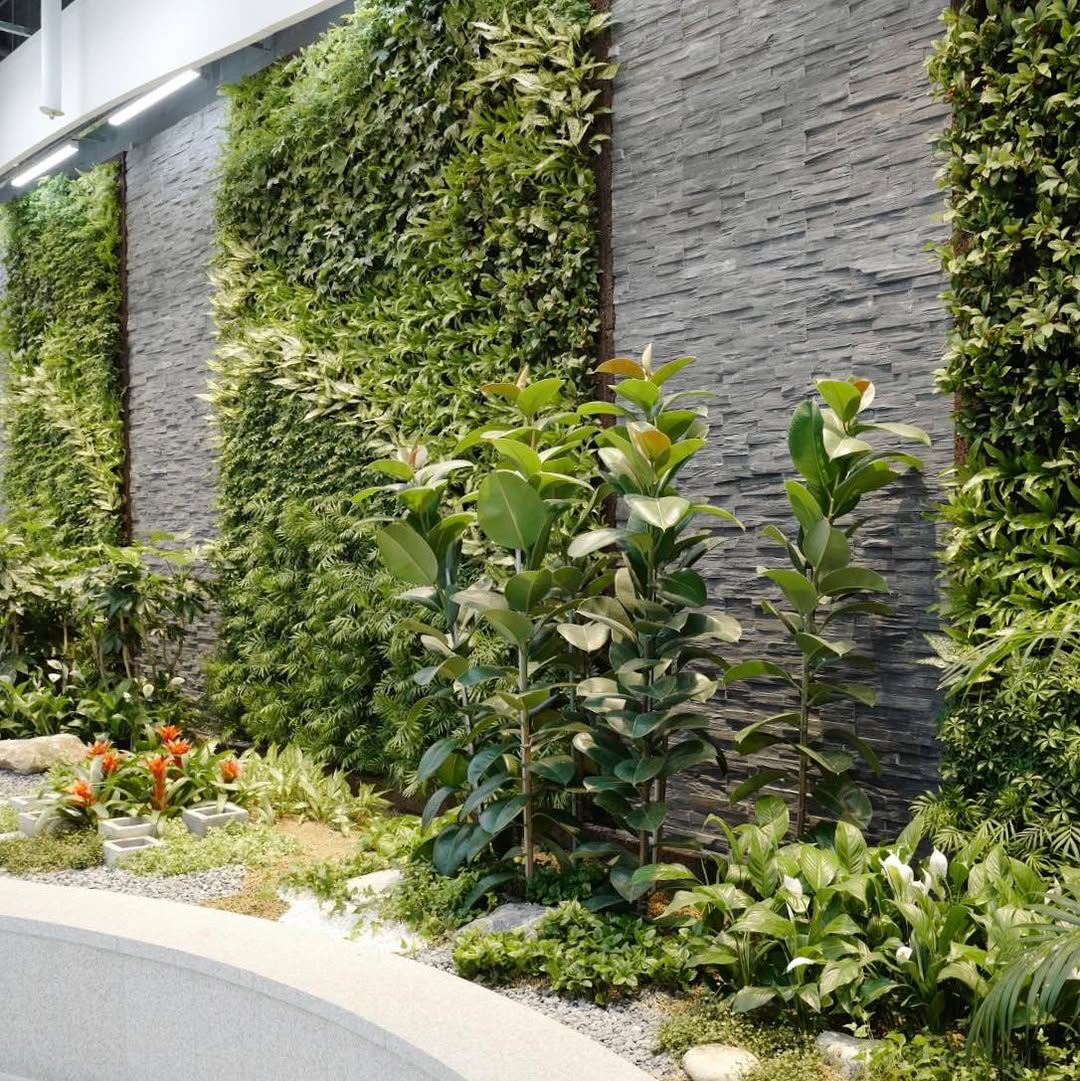
Vertical garden wall panels create visually striking features that instantly elevate the look of any space. From minimalist green walls to vibrant plant displays, they can be customised to match different design themes. Businesses often use vertical gardens to create a strong first impression, while homeowners use them to add a natural touch to interiors and exteriors.
4. Thermal Insulation and Energy Efficiency
Green walls act as natural insulators by reducing heat absorption on building surfaces. This helps regulate indoor temperatures, leading to lower energy consumption for cooling systems. In hot climates, vertical garden wall panels can significantly reduce heat gain, making buildings more energy-efficient.
5. Noise Reduction
Plants and soil layers in vertical garden panels can absorb sound, reducing noise pollution in busy environments. This makes them ideal for offices, restaurants, and residential areas located near traffic or industrial zones.
Types of Vertical Garden Wall Panels
Modular Panel Systems
Modular panels are pre-fabricated units that can be easily installed and expanded. They are popular for both residential and commercial use due to their convenience and scalability.
Pocket Systems
Pocket systems feature fabric or felt pouches that hold plants and soil. These are lightweight and suitable for indoor applications, although they may require more maintenance compared to rigid panels.
Tray-Based Systems
Tray systems consist of individual containers stacked vertically. They offer excellent drainage and are commonly used for outdoor vertical gardens.
Artificial Vertical Garden Panels
For those who prefer low maintenance, artificial vertical garden wall panels provide the appearance of real plants without the need for watering or sunlight. These are widely used in commercial spaces where upkeep needs to be minimal.
Applications of Vertical Garden Wall Panels
Vertical garden wall panels are highly versatile and can be used in a variety of settings:
- Residential Homes: Enhance balconies, living rooms, and garden walls
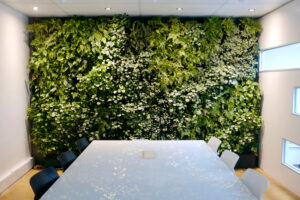
- Commercial Buildings: Improve office interiors and building exteriors
- Retail Spaces: Create attractive displays that draw customer attention
- Hospitality Industry: Add a natural ambience to hotels and restaurants
- Public Spaces: Beautify parks, walkways, and urban landscapes
Installation and Maintenance Tips
Proper installation is crucial for the long-term performance of vertical garden wall panels. It is important to ensure that the supporting structure can handle the weight of the panels, soil, and plants. Installing an efficient irrigation system, such as drip irrigation, can help maintain consistent moisture levels.
Maintenance involves regular watering, pruning, and fertilising to keep plants healthy. Choosing the right plants—such as ferns, succulents, herbs, or tropical species—based on the environment (indoor or outdoor) is essential for success.
For those seeking minimal upkeep, artificial vertical garden panels are an excellent alternative, as they require little to no maintenance while still delivering visual impact.
Why Vertical Garden Wall Panels Are the Future
As sustainability becomes a key focus in architecture and design, vertical garden wall panels are emerging as a practical and eco-friendly solution. They contribute to greener cities, improve environmental quality, and enhance the well-being of occupants.
In Malaysia and other tropical regions, vertical garden systems are particularly effective due to favourable climate conditions that support plant growth year-round. With the increasing emphasis on biophilic design, vertical gardens are no longer just a trend—they are a long-term investment in both aesthetics and sustainability.
Conclusion
Vertical garden wall panels offer a perfect blend of functionality, beauty, and environmental benefits. Whether used in homes, offices, or public spaces, they provide an innovative way to integrate greenery into modern living. With various designs, materials, and plant options available, vertical garden systems can be tailored to suit any space and preference.
Investing in vertical garden wall panels is not just about enhancing visual appeal—it is about creating healthier, more sustainable environments for the future.