Urban density, a shrinking pool of available land, and the quest for connecting people back to nature has led urban residents and property developers to embrace vertical gardens as an innovative solution to urbanization challenges. Once the domain of elite design publications, vertical gardens (also referred to as green walls or living walls) have transformed facades, balconies, rooftops, and interior spaces throughout the country. Given the current priorities of sustainability, wellbeing, and urban greening by governments and communities, vertical garden options are gaining traction within urban landscapes throughout Malaysia.
What are Vertical Gardens?
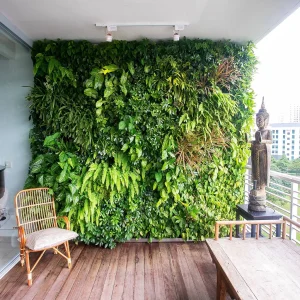
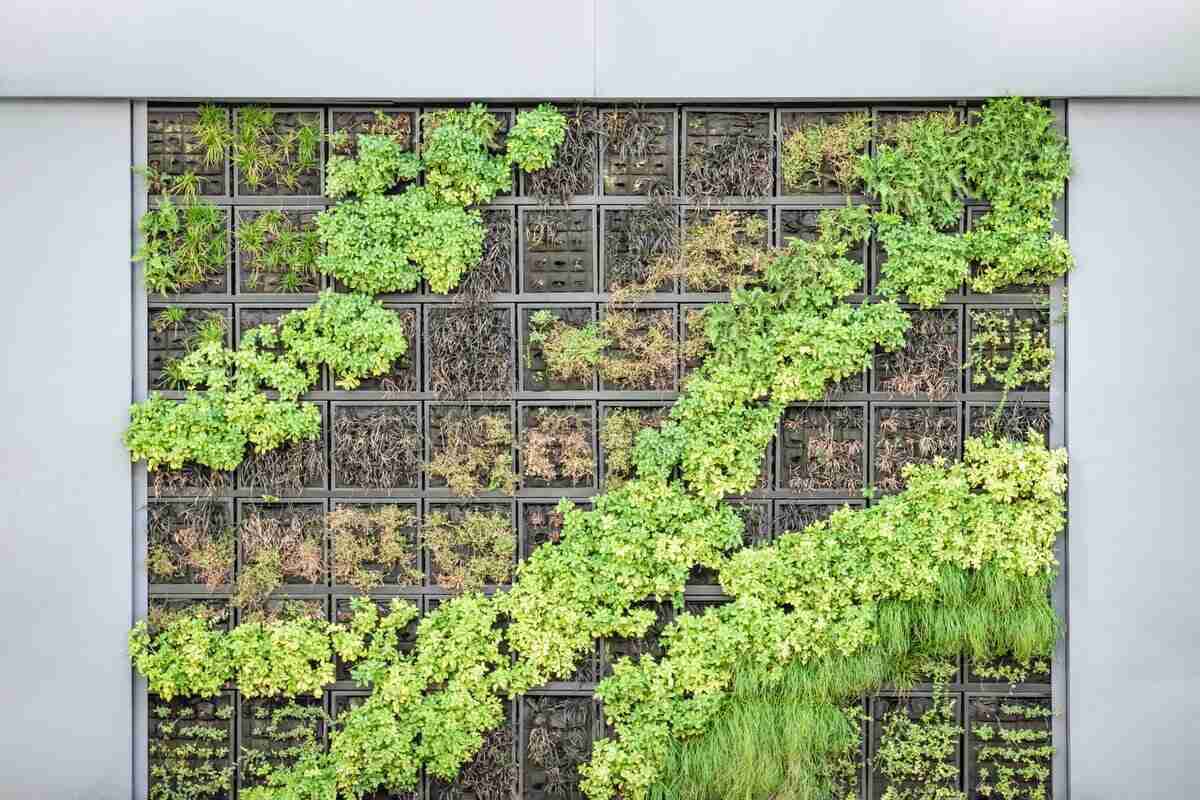
A vertical garden is an artificially created system which allows plants to grow upwardly on a vertical surface (such as a wall), utilizing specialized systems for supporting the plants’ growth. Typically these systems will consist of a series of modular panels, planting medium (either hydroponic or soil-based), and advanced irrigation technologies. One of the most appealing aspects of vertical gardens is their ability to maximize space in an area where there is little to none available – a major advantage when it comes to developing vertically-gardened urban environments such as Kuala Lumpur, Penang, Johor Bahru, and other high-density cities in Malaysia.
Why are Vertical Gardens Taking Off in Malaysia’s Urban Environments?
1. Space Optimization in Urban Spaces
As the population continues to grow in Malaysia, so too does the amount of pressure placed upon urban land use. When combined with the increasing property values and higher costs associated with purchasing property, residents and businesses alike are looking for alternative methods to develop greenery while maintaining functional space. Vertical gardens provide the opportunity to achieve this goal by providing lush vegetation to walls and balconies, allowing residents to cultivate greenery regardless of the size of their apartment.
2. Environmental Advantages
One of the main reasons why vertical gardens are being developed is their environmental sustainability:
• Air Purification – Vegetation absorbs CO2 and filters out airborne pollutants, providing cleaner air in densely populated urban environments.
• Temperature Regulation – Green walls help regulate the temperature on building surfaces, reducing the amount of heat absorbed from the sun, thus reducing the internal temperature and subsequently reducing energy consumption, specifically in Malaysia’s hot and humid climate.
• Biodiversity Enhancement – Green walls provide a habitat for insects and birds, enhancing the overall biodiversity in urban ecosystems.
These environmental benefits directly contribute to the broader environmental goals set forth by Malaysia including green building initiatives and climate resiliency initiatives.
3. Improving Well-being and Mental Health
Research has indicated that individuals who are connected with nature experience improved mental well-being through reduced stress, enhanced mood, and better cognitive function. As fast-paced urban lives continue to grow, vertical gardens provide a biophilic design element that brings the natural environment indoors, ultimately enhancing both mental and physical well-being. From office spaces to residential living rooms, the addition of green walls provides an opportunity to promote healthier and happier environments.
Trends Driving Vertical Garden Design in Malaysia
1. Sustainable and Low-Maintenance Systems
Historically, traditional vertical gardens experienced problems related to maintenance, including overwatering, clogged irrigation lines, and declining plant health. However, today’s systems in Malaysia utilize modern technology including automated drip irrigation, water recycling, and remote monitoring to minimize manual upkeep and ensure optimal plant health.
In addition, many systems in Malaysia now utilize low-water and low-fertilizer requirements as a result of selecting drought-resistant and native plant species. Examples of plant species used in vertical gardens in Malaysia include ferns, pothos, bromeliads, and herbs which are adapted to the country’s tropical climate.
2. Incorporating Architecture
Modern vertical garden designs are no longer simply functional elements. They represent architectural statements. Architects and landscape designers in Malaysia are incorporating vertical garden elements into building facades, creating seamless integration between nature and structure. Mixed-use developments, commercial buildings, and public spaces are increasingly utilizing vertical planting not only for aesthetic purposes, but as a component of sustainable architecture.
3. Indoor Vertical Gardens
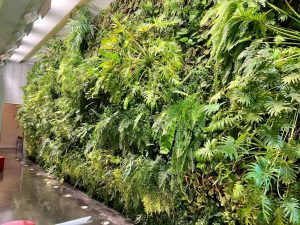
Beyond exterior vertical garden installations, interior vertical gardens are also gaining popularity in offices, shopping malls, and private residences. Interior vertical gardens are utilized to improve indoor air quality, reduce ambient noise levels, and enhance interior aesthetics. Additionally, vertical garden installations near common workspaces or shared lounge spaces serve to facilitate social interactions and provide calming interior spaces.
4. Community-Driven Urban Greening
Community-driven initiatives are taking an important role in advancing the development of vertical gardening in neighborhoods throughout Malaysia. Urban farms, schools, and municipal councils are implementing vertical gardening systems as a means to educate residents about sustainable living practices and urban ecology. This represents a fundamental cultural shift towards environmental stewardship.
Challenges and Opportunities
1. Initial Costs and Technical Expertise Required
While the long-term environmental benefits of vertical gardens are clear, the initial costs associated with installing a high-quality vertical garden system, along with the technical expertise required to properly install, operate, and maintain the system, may serve as significant obstacles. The high cost of vertical garden systems and the requirement for specialized technical expertise to design and implement the systems are two of the most significant factors limiting adoption. However, due to increased demand, technological innovations are reducing the costs of vertical garden systems and expanding the availability of local technical expertise.
2. Climate and Plant Selection
Malaysia’s tropical climate is characterized by high humidity and frequent rainfall, and these conditions support the growth of many types of plants. However, the same conditions that support plant growth in a tropical climate also increase the likelihood of pest and fungal infestations in vertical gardens. To successfully implement a vertical garden project in Malaysia, careful selection of the appropriate plant species and the implementation of proper drainage systems are necessary to mitigate potential issues such as root rot and waterlogging.
3. Public Education
Although public awareness of green solutions is growing, many property owners remain unaware of the variety of environmental, economic, and psychological benefits offered by vertical gardens. Educational programs, both online and through community outreach initiatives, are assisting in educating the public regarding the value of vertical gardening systems.
Future of Vertical Gardening in Malaysia
Based on current trends and the continued emphasis on sustainability as a factor in urban planning policies, the future of vertical gardens in Malaysia appears bright and promising. As governments and stakeholders continue to emphasize the importance of designing sustainable and resilient cities, vertical gardens are expected to evolve from an aesthetic feature of buildings to a critical element of “future-proofed” cities. From eco-certified buildings to green infrastructure projects, the adoption of vertical gardening systems in Malaysia reflects the nation’s growing commitment to creating sustainable, livable, and attractive urban environments.
Vertical gardens are no longer simply an architectural feature – they represent a key step in Malaysia’s journey toward sustainable urban living.