In the city’s high-rise developments and compact homes, which have been increasing in popularity in Malaysia, vertical gardens provide a new way to incorporate greenery into an area that previously had no available space. The versatility of vertical gardens allow you to place them anywhere – whether on your balcony walls, kitchen corners, etc., and because they take up so little space, you can maximize your limited areas by adding a lot of greenery to them. In addition to maximizing your limited space, vertical gardens also bring nature closer to your daily life, improve the air quality in your home, and add a peaceful atmosphere to your home.
In this article, we will discuss how you can creatively develop your own vertical garden design to suit the needs of your small space in Malaysia’s tropical climate.
1. Living Walls: Greenery from the Bottom to the Top
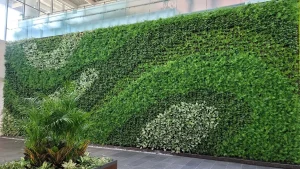
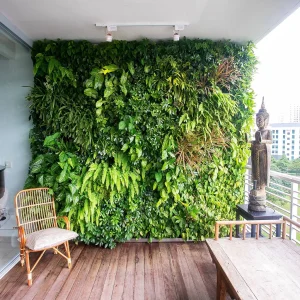
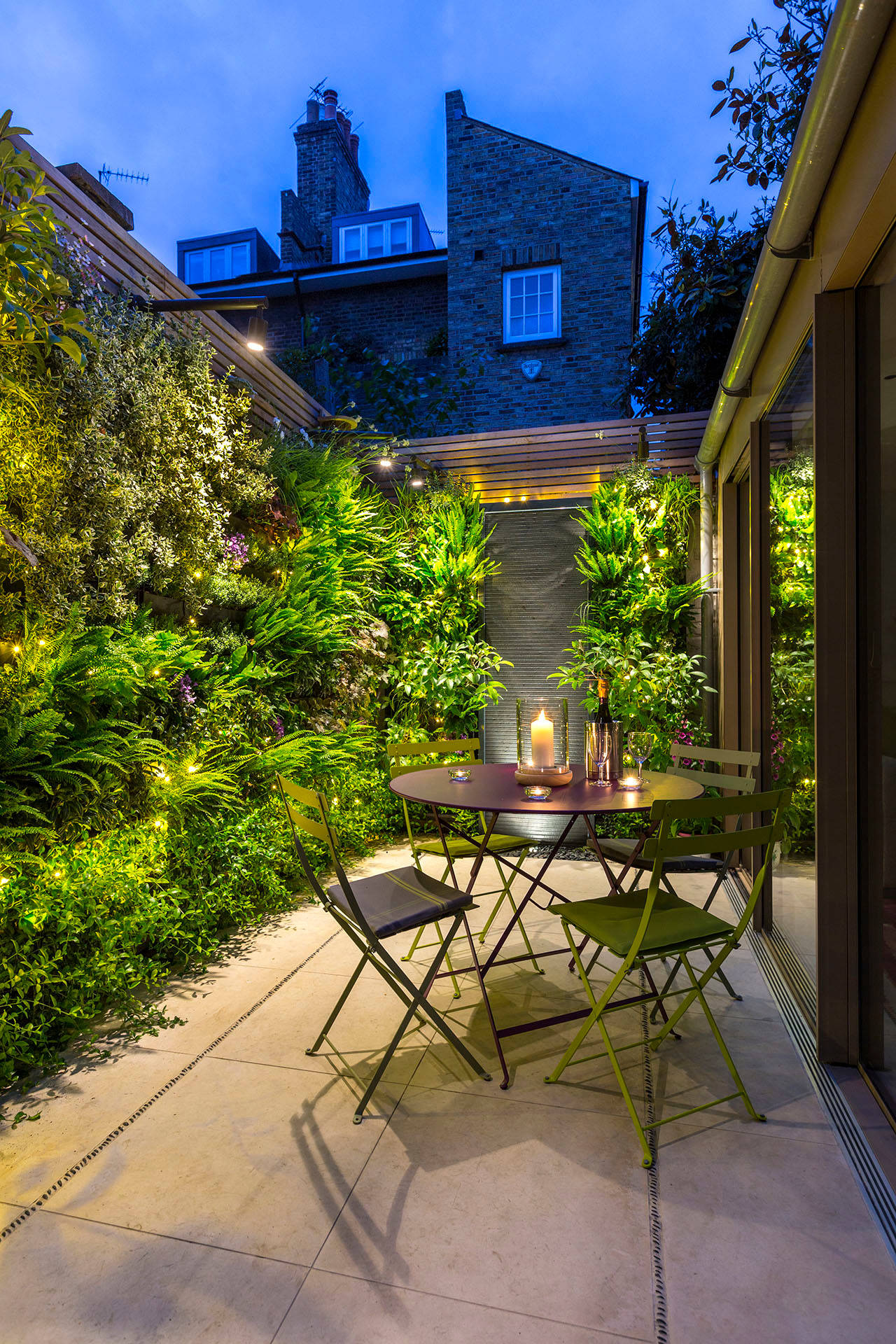
One of the most dramatic vertical garden options is the living wall — a completely planted wall that turns an empty surface into a verdant tapestry of plants. Living walls may be installed on your balcony, patio, or even inside your home if you have sufficient lighting. Climbing plants such as Pothos (Epipremnum aureum), Singapore Daisy (Sphagneticola trilobata), and ferns thrive in Malaysia’s humid and warm environment, and will provide a lush, green cover to your living wall.
Some tips to create a thriving living wall:
- Choose modular planting systems with integrated irrigation to ensure that all areas receive equal amounts of water.
- Find a location for your living wall that receives the correct amount of light. For example, indoor living walls should be positioned near bright indirect light while outdoor living walls should be located on a wall that receives morning sun.
- Add a variety of colors and textures to your living wall using different types of foliage to add visual interest.
Living walls do not only make your home look beautiful; they also serve as natural coolants, absorbing heat from exterior walls in Malaysia’s hot and humid climate.
2. Hanging Planters: Free-Standing Green Displays
Hanging planters are a perfect option for people who don’t have enough room on their floors or walls to hang their plants. Hanging planters work particularly well on balconies, over windows, or even above kitchen counters. Using different heights and planter shapes creates a unique and interesting vertical display that encourages viewers to look upward.
When selecting plants for hanging planters in Malaysia’s climate, choose:
- Trailing plants like String of Pearls (Senecio rowleyanus), Spider Plant (Chlorophytum comosum), Hoya varieties, etc.
- Light-weight hanging planters made from woven fibers or recycled materials to add texture and eco-friendliness to your hanging planters.
- Plant multiple hanging planters at staggered heights to maximize impact with minimum space.
You can also integrate hanging planters with simple wooden beams or metal frames to create a “Green Canopy” in a corner of your balcony.
3. Staircase Garden: Making the Most of Your Transition Space
If you have a staircase — either an outdoor or open indoor stairway — the transition space created between each flight of stairs provides an unexpected opportunity to create a gardening space. Fitting vertical planters along the side of the staircase brings greenery into circulation spaces that are often underutilized.
Design Tips for a Stair Garden:
- Install narrow planter shelves or pocket planters that line up with each stair level.
- Choose less messy plants like Succulents or small foliage plants to minimize leaf drop on your stairs.
- Pair low-maintenance plants with decorative pots to add color and shape to your stairway garden.
Not only does this design add beauty to your stairways, it also softens architectural transitions with lush foliage.
4. Pallet Gardens: Affordable and Functional
Wooden pallets have become a popular DIY vertical gardening solution due to its affordability, ease of installation and versatility in use. In Malaysia, where outdoor patios and corridors are common, pallet gardens provide a practical and fashionable solution.
How to Create a Pallet Garden:
- Secure a pallet vertically against a wall or a fence.
- Line the interior of the pallet with landscape fabric to contain the potting mix and prevent leaks.
- Fill each slat of the pallet with potting mix and plant herbs, succulents, or flowering annuals.
Herbs like Basil, Mint, Lemongrass and Curry Leaf thrive in Malaysia’s climate, making pallet gardens both functional and fragrant. However, remember to add drainage to the pallet and maintain consistent moisture levels to keep your plants healthy.
5. Tiered Plant Stands: Functional and Stylish
Tiered plant stands are another great option for homeowners who want a more mobile and flexible vertical gardening solution. These multi-tiered shelving units can be placed against walls, in corners, or beside windows, turning any small space into a lively and colorful vertical display.
Considerations for designing tiered plant stands:
- Use a combination of planters of different sizes to create depth and visual layering.
- Include a variety of plant types — including leafy greens, herbs and flowering plants — to add diversity.
- Locate your tiered plant stand in an area that receives adequate light, especially for flowering plants.
Small homes can benefit from using tiered plant stands as decorative furniture pieces that complement the decor in your home.
6. Trellis and Climbing Plants: Beautiful Green Screens
Climbing plants attached to trellis or mesh screens are perfect for balcony or patio spaces. The green screen created by these climbing plants provide a private and shaded area, and is a valuable benefit in Malaysia’s urban apartment buildings.
Recommended Climbing Plants for Trellis Design Include:
- Jasmine (Jasminum spp.) — Fragrant Blooms.
- Morning Glory (Ipomoea purpurea) — Vibrant Color.
- Creeping Fig (Ficus pumila) — Dense Foliage Coverage.
Support your trellis and train the vines as they grow to create an elegant green screen over time. Prune regularly to encourage growth and promote full coverage of the vertical space.
7. DIY Bottle Gardens: Environmentally Friendly and Fun
Another fun and environmentally friendly DIY vertical gardening idea is creating bottle gardens. Simply clean and cut plastic bottles, attach a rope to each one and hang them in rows to create a vertical garden for growing small herbs, lettuce or decorative plants.
Here is a Step-by-Step Guide to Creating a Bottle Garden:
- Clean and Cut Plastic Bottles Horizontally.
- Drill Drainage Holes at the Bottom of Each Bottle.
- Hang the Bottles with Ropes or Hooks on Walls or Railings.
- Fill the Bottles with Soil and Plant Seedlings.
With colorful bottles and creative arrangement, this budget-friendly vertical garden becomes both an environmental statement and a charming green feature in your home.
Conclusion
The various vertical garden designs discussed here provide countless opportunities for residents in Malaysia to create their own mini-gardening paradise in the midst of their busy lives. No matter what type of space you have, whether it is a cozy balcony, a narrow corridor, or a small patio, there is a creative solution to bring the natural world into your home. With careful consideration of the type of plants, containers and positioning, you can easily establish a fresh, green oasis that will not only brighten your living space but also improve your indoor air quality and ultimately enhance your overall quality of life in Malaysia’s urban environments.