greenery is finding its way into homes, offices, commercial buildings, and public spaces. Two popular solutions are green walls and vertical gardens. Although these terms are often used interchangeably, they are not exactly the same.
Understanding the difference between a green wall and a vertical garden can help property owners, architects, landscape designers, and businesses choose the most suitable option for their space and maintenance requirements.
In this article, we explore the key differences, benefits, installation methods, and ideal applications of green walls and vertical gardens.
What Is a Green Wall?
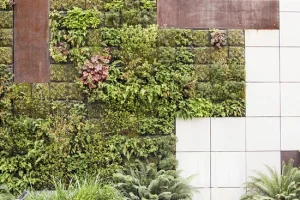
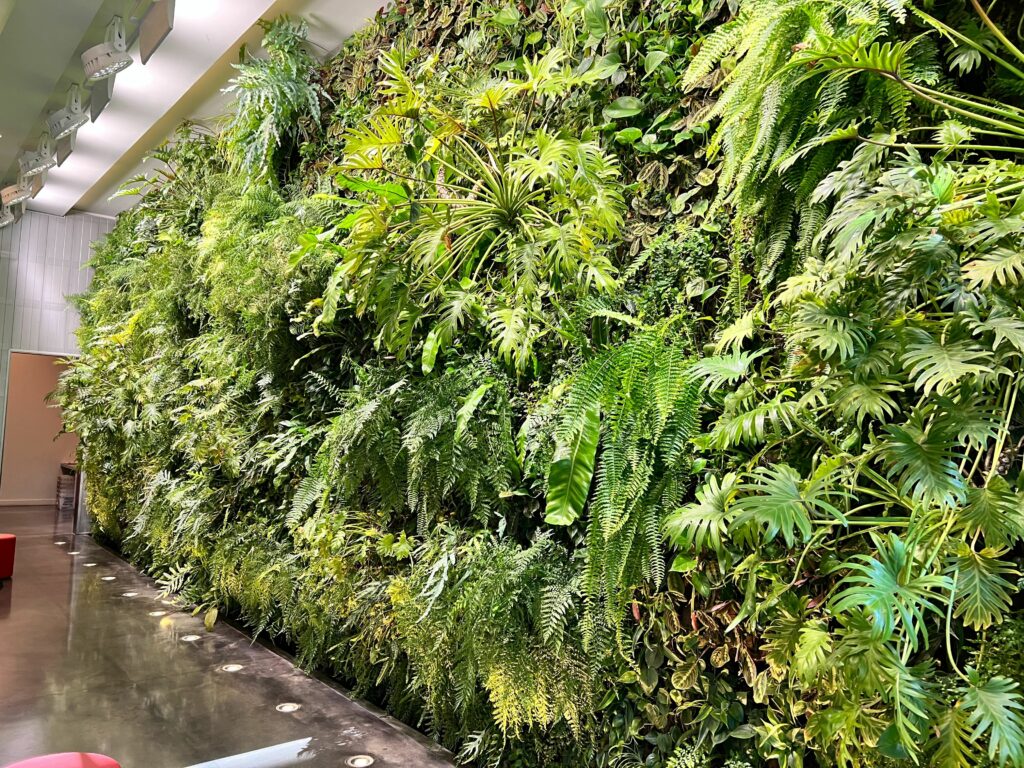
A green wall is a specially designed vertical structure covered with living plants that grow directly on or within a supporting system attached to a wall. Green walls often incorporate advanced irrigation, drainage, and nutrient delivery systems to support plant growth.
These systems are commonly installed on:
- Commercial buildings
- Office interiors
- Shopping malls
- Hotels
- Educational institutions
- Residential developments
Green walls are often engineered solutions that require professional installation and ongoing maintenance to ensure healthy plant growth.
Key Features of Green Walls
- Integrated irrigation systems
- Professional planting modules or panels
- Structured growing medium
- High plant density
- Suitable for large-scale installations
- Can be installed indoors or outdoors
Green walls are often designed to create a visually striking living feature while improving environmental performance.
What Is a Vertical Garden?
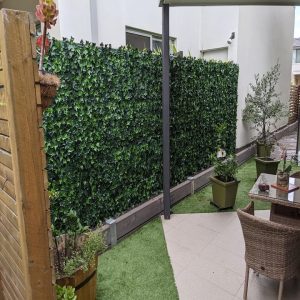
A vertical garden is a broader term that refers to any method of growing plants vertically rather than horizontally. It can range from simple DIY arrangements to sophisticated living wall systems.
Vertical gardens may use:
- Trellises
- Hanging planters
- Pocket planters
- Modular containers
- Climbing plants
- Hydroponic systems
Unlike green walls, vertical gardens do not always require complex irrigation systems or specialised infrastructure.
Key Features of Vertical Gardens
- Flexible design options
- Suitable for small and large spaces
- Can be DIY or professionally installed
- Often more affordable than green walls
- May use potted plants or climbing species
- Easier to customise
Vertical gardens are popular among homeowners looking to maximise greenery in limited spaces such as balconies, patios, and small gardens.
Green Wall vs Vertical Garden: Main Differences
1. Structure and Design
The primary difference lies in the installation method.
A green wall typically consists of a purpose-built system where plants are integrated into panels or modules attached directly to a wall. The entire surface becomes a living ecosystem.
A vertical garden, on the other hand, can use various planting methods and structures. It may simply involve plants growing upwards using support systems or stacked containers.
2. Irrigation System
Most green walls feature automated irrigation and drainage systems. These systems provide water and nutrients directly to plant roots, ensuring consistent growth.
Vertical gardens may rely on manual watering, drip irrigation, or natural rainfall, depending on the design.
3. Cost
Green walls generally require a larger investment due to:
- Specialised materials
- Professional installation
- Automated irrigation systems
- Ongoing maintenance
Vertical gardens can be much more budget-friendly, especially for residential projects and DIY enthusiasts.
4. Maintenance Requirements
Green walls need regular monitoring to maintain irrigation systems, plant health, and structural integrity.
Vertical gardens often require less technical maintenance, although pruning, watering, and plant replacement may still be necessary.
5. Plant Selection
Green walls can support a wide variety of plant species due to their controlled growing conditions.
Vertical gardens often use:
- Climbers
- Herbs
- Ferns
- Succulents
- Ornamental plants
The choice depends on sunlight exposure, climate, and available maintenance resources.
Benefits of Green Walls
Improved Air Quality
Living plants help filter pollutants and improve indoor air quality, making green walls ideal for offices and commercial spaces.
Enhanced Building Aesthetics
Green walls create stunning visual features that enhance property value and make buildings more attractive.
Thermal Insulation
Outdoor green walls can help reduce heat absorption, lowering cooling costs and improving energy efficiency.
Noise Reduction
Dense plant coverage helps absorb sound and reduce noise pollution in urban environments.
Biophilic Design Benefits
Research shows that incorporating nature into built environments can improve wellbeing, productivity, and overall comfort.
Benefits of Vertical Gardens
Space Optimisation
Vertical gardens allow homeowners and businesses to introduce greenery without sacrificing valuable floor space.
Greater Flexibility
They can be customised to suit virtually any space, from balconies and fences to indoor feature walls.
Cost-Effective Solution
Many vertical garden systems are affordable and easy to install, making them accessible for a wider range of projects.
Food Production Opportunities
Vertical gardens can be used to grow herbs, vegetables, and edible plants in urban environments.
Easy Expansion
Additional planters and structures can be added over time as gardening needs evolve.
Which Option Is Right for You?
The choice between a green wall and a vertical garden depends on several factors:
Choose a Green Wall If You:
- Want a premium architectural feature
- Require a professional commercial installation
- Have the budget for ongoing maintenance
- Need maximum visual impact
- Want integrated irrigation and plant management systems
Choose a Vertical Garden If You:
- Have a limited budget
- Prefer a DIY-friendly solution
- Need flexibility in design
- Want to grow herbs or edible plants
- Have a smaller residential space
Green Walls and Vertical Gardens in Malaysia
In Malaysia’s tropical climate, both green walls and vertical gardens are becoming increasingly popular for residential, commercial, and institutional projects. They help reduce urban heat, improve aesthetics, and contribute to sustainable building practices.
Many businesses are incorporating green walls into office interiors to create healthier work environments, while homeowners are embracing vertical gardens to maximise greenery in limited urban spaces.
Conclusion
While the terms are often used interchangeably, there are important distinctions between a green wall and a vertical garden. A green wall is typically a professionally engineered living wall system with integrated irrigation and specialised planting modules. A vertical garden is a broader concept that includes various methods of growing plants vertically, often with greater flexibility and lower installation costs.
Whether you choose a green wall or a vertical garden, both options offer excellent ways to enhance aesthetics, improve environmental quality, and bring nature into modern spaces. Understanding their differences will help you select the best solution for your property’s design goals, budget, and maintenance requirements.