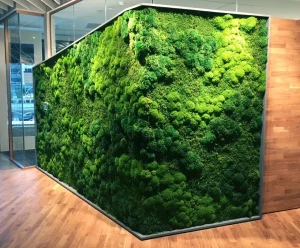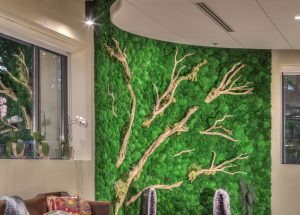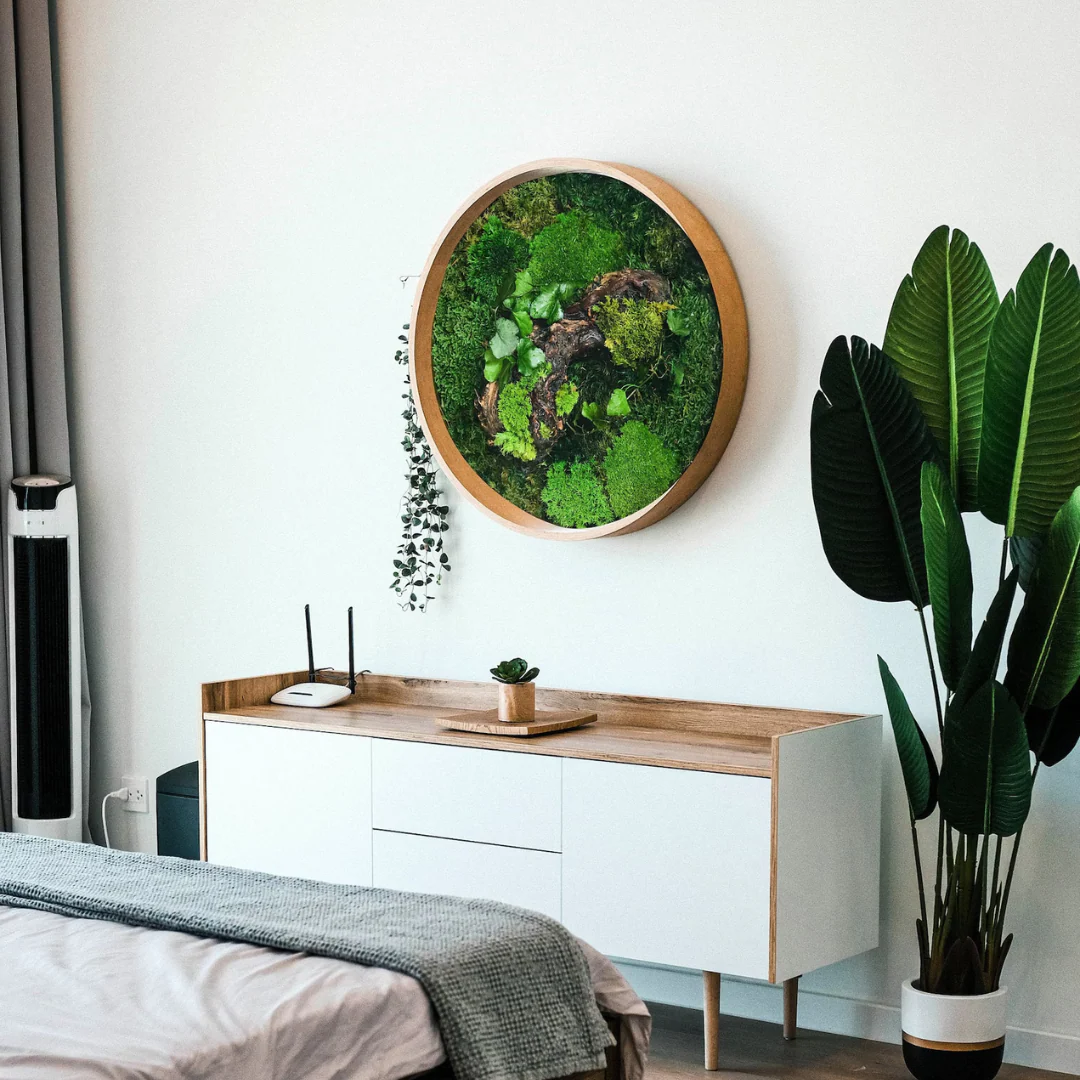
Over the last few years, moss walls have grown in popularity and are now considered a popular trend in commercial interior design in Malaysia. Boutique cafes in Kuala Lumpur and large office spaces in Penang have incorporated preserved moss vertical installations in various sizes, each creating unique natural aesthetics in commercial spaces. Although preserved moss provides a visual aesthetic to any space, there are several cultural and practical factors influencing the increase in usage of moss walls in commercial interior design. The purpose of this article is to examine the cultural and practical factors that are promoting the adoption of moss walls as a commercial interior design option in Malaysia.
A Fresh Take on Biophilic Design
The interest in Biophilic Design (the incorporation of natural elements into interior spaces) has increased worldwide, including in Malaysia. Many commercial interior spaces in Malaysia are incorporating natural elements into their design to create welcoming environments that foster occupant wellness and productivity. Natural elements in Biophilic Design include moss walls. A moss wall is composed of a variety of natural materials with varying textures, colors and patterns. The presence of moss walls within a commercial interior space can create a sense of calmness and vitality, as compared to traditional, non-biophilic design approaches. Studies have shown that exposure to natural elements can aid in stress relief, improve focus, and contribute to overall occupant wellness. These are important considerations in workplace settings, hospitality venues and retail environments.
Low-Maintenance Options for Businesses
In comparison to live plant walls, which require irrigation systems, lighting, and regular maintenance, preserved moss installations offer a low-maintenance option for businesses, particularly those with limited operational resources. Preserved moss requires minimal to no maintenance. It can be maintained indefinitely with proper installation and protection from direct moisture and intense sunlight. This low-maintenance aspect of moss walls contributes to the cost-effectiveness of this design element for businesses in Malaysia.
Improved Indoor Environmental Quality and Acoustic Performance
Although preserved moss does not purify the air as effectively as live plants, it has been suggested by some designers and facilities management professionals that it may contribute to improved indoor environmental quality. Another potential benefit of moss walls is their ability to absorb sound. Therefore, moss walls can potentially reduce background noise levels in open-plan offices, restaurants and retail environments, where background noise is usually a significant issue.
Reducing background noise can improve the comfort of customers and enhance employee productivity in the workplace. With the amount of ambient noise present in Malaysia’s busy cities, the additional benefit of reduced background noise presented by moss walls adds value to this design element.
Brand Differentiation and Aesthetic Identity
Design is becoming increasingly important in differentiating businesses competing in commercial markets such as hospitality, retail and corporate environments. A moss wall creates an instant visual impression. Whether a moss wall is used as a feature wall in a reception area, as a backdrop in a cafe or as a component of a retail display, moss installations allow businesses to leave a lasting impression with their customers. Several Malaysian businesses, particularly those that emphasize sustainability, wellness and luxury, are using moss walls as a way to further develop their brand identity through their interior design. These installations are often photographed and posted to social media sites by customers and discussed with others – thereby becoming organic marketing opportunities for the businesses.
A Sustainable Option
Sustainability is no longer seen as a niche concern. Increasing numbers of environmentally conscious Malaysian consumers and businesses are responding by integrating eco-friendly aspects into their interior designs. In addition to being a decorative element, moss walls show that a business is committed to sustainable practices.
When obtained sustainably, preserved moss is biodegradable. Additionally, because moss walls do not require watering systems, they consume less water. Water conservation is an important consideration in tropical climates where excessive rain causes problems with indoor watering systems.
Flexibility in Design
There are several additional factors that have led to an increase in demand for moss walls. One factor is the flexibility of moss walls in terms of design. From lush emerald green to muted natural colors, moss can be designed to exhibit a wide range of textures and patterns. Designers frequently combine multiple moss species to create artistic displays, company logos, and abstract patterns that match interior themes.
Because of Malaysia’s diverse commercial environment – ranging from modern high-tech offices to heritage buildings transformed into creative centers – moss walls can be designed to meet a wide variety of architectural styles and brand identities. Their flexibility makes them a preferred option for interior designers and architects.
Workplace Well-being
With greater emphasis placed upon the concept of well-being in the workplace, employers in Malaysia are focusing more on designing workplaces that support both physical and emotional health. Biophilic design elements such as moss walls can assist in alleviating the stresses associated with urban work-life by creating calm, visually appealing environments in the daily work environment.
Research has shown that exposure to natural elements – even in a visual form – can help to reduce stress levels and improve cognitive function. In open-plan offices, where employees may feel overwhelmed by the quantity of stimuli, a moss wall can serve as a calming visual reference point – thus assisting in developing a positive work environment.
Summary
Moss walls are much more than just a passing design trend – in Malaysia’s commercial interiors, they represent the intersection of aesthetic appeal, practical advantages and cultural relevance. With the numerous advantages of moss walls, including low maintenance requirements, improved acoustic performance, enhanced brand identity and enhanced well-being, moss walls offer businesses a new method of enhancing their environments.
As businesses in Malaysia continue to focus on wellness, sustainability and memorable customer experiences, moss walls are likely to remain a leading design option for commercial interiors for years to come.