As urbanisation continues to expand across the country, the demand for sustainable and space-saving greenery solutions is growing rapidly. A vertical garden system in Malaysia has emerged as an innovative way to incorporate nature into residential, commercial, and industrial environments without requiring large land areas. From modern office buildings to compact homes, vertical gardens are redefining how Malaysians interact with green spaces.
What is a Vertical Garden System?
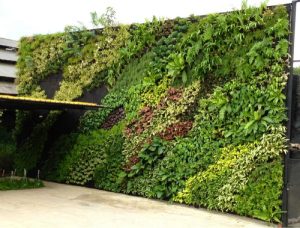
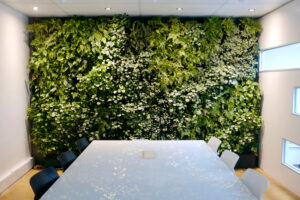
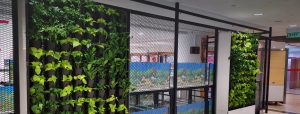
A vertical garden system, also known as a green wall or living wall, is a structure that allows plants to grow vertically using specially designed panels, frames, or containers. These systems are often installed on walls, fences, or freestanding structures, making them ideal for locations where horizontal space is limited.
In Malaysia’s urban centres such as Kuala Lumpur and Penang, where land is scarce and property prices are high, vertical gardening offers a practical solution for adding greenery without sacrificing valuable floor space.
Benefits of Vertical Garden System in Malaysia
1. Maximising Limited Space
One of the key advantages of a vertical garden system in Malaysia is its ability to maximise limited space. Whether it is a small balcony, office wall, or commercial façade, vertical gardens allow users to grow plants in areas that would otherwise remain unused.
2. Improving Air Quality
Plants naturally absorb carbon dioxide and release oxygen, contributing to cleaner air. In densely populated cities, vertical gardens help reduce pollutants and improve overall air quality, creating a healthier environment for occupants.
3. Enhancing Aesthetic Appeal
Vertical gardens add a striking visual element to any space. Whether designed with lush tropical plants or minimalist greenery, they can instantly elevate the appearance of interiors and exteriors. Many businesses in Malaysia use vertical garden systems to create a welcoming and eco-friendly brand image.
4. Thermal Insulation
Malaysia’s tropical climate can lead to high indoor temperatures. A vertical garden system acts as a natural insulation layer, reducing heat absorption and helping to lower indoor temperatures. This can result in reduced energy consumption and lower electricity bills.
5. Noise Reduction
Green walls can also absorb sound, making them effective in reducing noise pollution. This is especially beneficial in busy urban environments, where traffic and construction noise can be overwhelming.
Types of Vertical Garden Systems in Malaysia
1. Modular Panel Systems
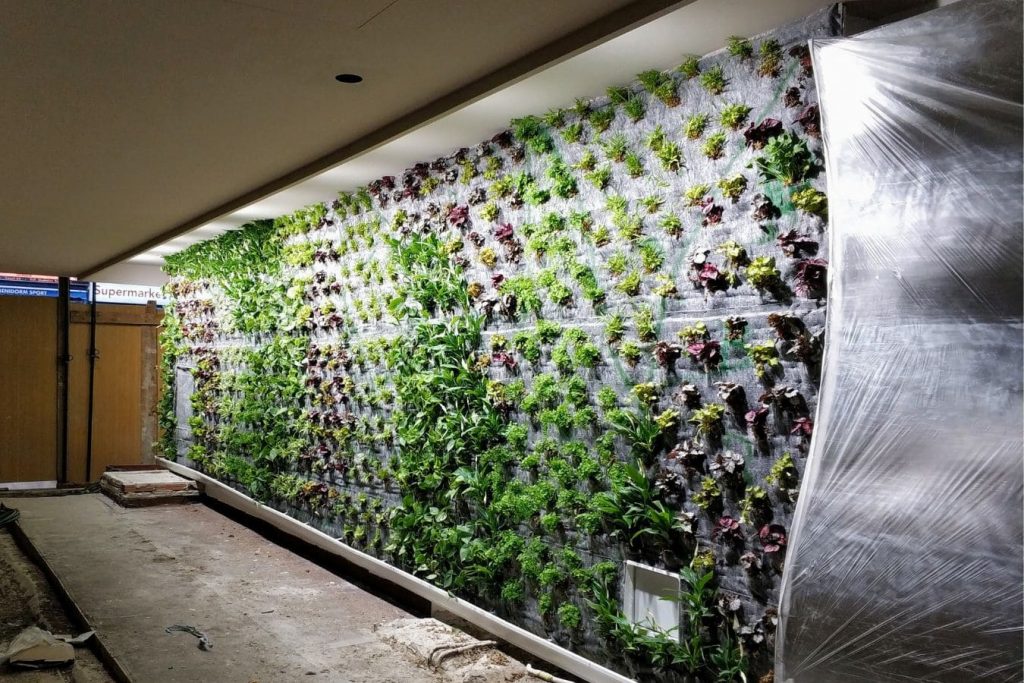
These systems consist of pre-planted panels that can be easily mounted onto walls. They are popular in commercial settings due to their neat appearance and ease of installation.
2. Pocket Systems
Pocket systems use fabric or soft materials with compartments to hold plants. They are lightweight and suitable for residential use, particularly for indoor vertical gardens.
3. Hydroponic Vertical Systems
Hydroponic systems grow plants without soil, using nutrient-rich water instead. These systems are highly efficient and commonly used for both decorative and edible plants.
4. Trellis Systems
Trellis-based vertical gardens support climbing plants such as vines. They are often used outdoors to create natural green screens or decorative walls.
Popular Applications in Malaysia
Residential Spaces
Homeowners are increasingly adopting vertical garden systems in Malaysia to enhance balconies, patios, and even indoor living areas. They are perfect for urban dwellers who want to enjoy greenery without maintaining a traditional garden.
Commercial Buildings
Hotels, shopping malls, and office buildings use vertical gardens to create visually appealing environments. These installations often serve as focal points that attract visitors and improve customer experience.
Restaurants and Cafés
Many eateries incorporate vertical garden systems to create a relaxing and nature-inspired ambience. This not only enhances the dining experience but also supports branding as an eco-conscious business.
Public Spaces
Parks, highways, and public buildings in Malaysia are also integrating vertical gardens as part of green urban planning initiatives, contributing to a more sustainable cityscape.
Choosing the Right Vertical Garden System in Malaysia
When selecting a vertical garden system, several factors should be considered:
- Location: Indoor or outdoor installation will determine the type of plants and system required.
- Maintenance: Some systems require automated irrigation, while others need manual watering.
- Plant Selection: Tropical plants such as ferns, philodendrons, and pothos thrive well in Malaysia’s climate.
- Budget: Costs can vary depending on system complexity, size, and materials used.
It is advisable to work with experienced suppliers or landscapers to ensure proper installation and long-term success.
Maintenance Tips for Vertical Gardens
To keep a vertical garden system in Malaysia thriving, regular maintenance is essential:
- Water plants consistently, especially during dry periods
- Trim and prune to maintain shape and prevent overgrowth
- Check irrigation systems for blockages or leaks
- Replace unhealthy plants promptly
- Apply fertilisers to support plant growth
With proper care, a vertical garden can remain lush and vibrant throughout the year.
Future of Vertical Garden Systems in Malaysia
As sustainability becomes a priority, the demand for vertical garden systems in Malaysia is expected to grow significantly. Government initiatives promoting green buildings and eco-friendly practices are further driving adoption.
Innovations such as smart irrigation systems, automated monitoring, and integration with building designs are making vertical gardens more efficient and accessible. In the future, vertical greenery may become a standard feature in urban developments across Malaysia.
Conclusion
A vertical garden system in Malaysia offers a smart, stylish, and sustainable solution for modern living. By maximising space, improving air quality, and enhancing aesthetics, these systems provide numerous benefits for both residential and commercial applications. As cities continue to grow, vertical gardens will play a crucial role in creating greener, healthier, and more liveable environments.